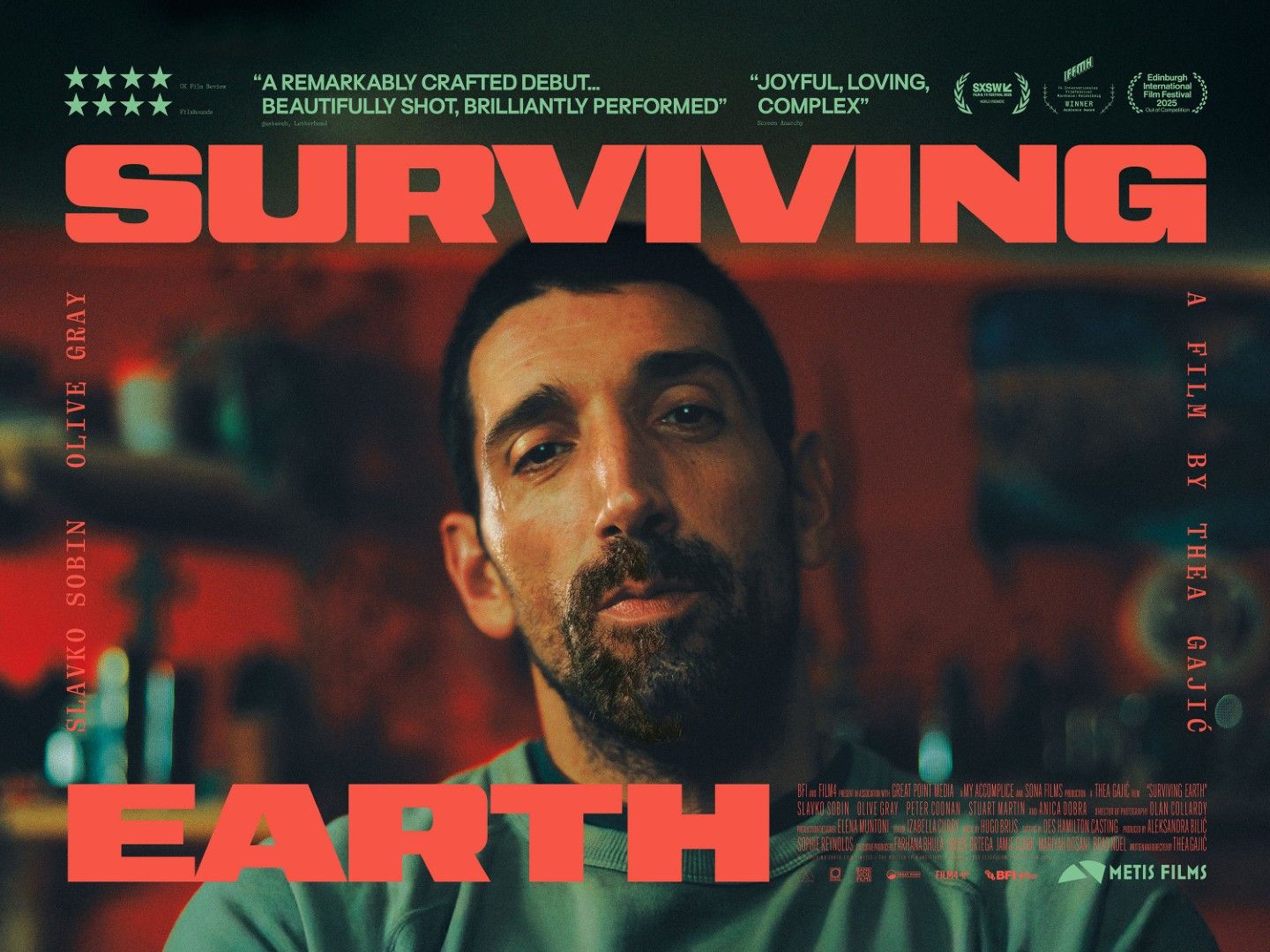
Surviving Earth, the debut feature from writer/director Thea Gajic, arrives in UK cinemas on 24th April 2026. We take a closer look at the creative team and cultural influences behind this striking indie feature, as well as the significance of Bristol as the film’s backdrop, described by Gajic as “the city that holds the spirit of our film within its streets, culture and landmarks.”
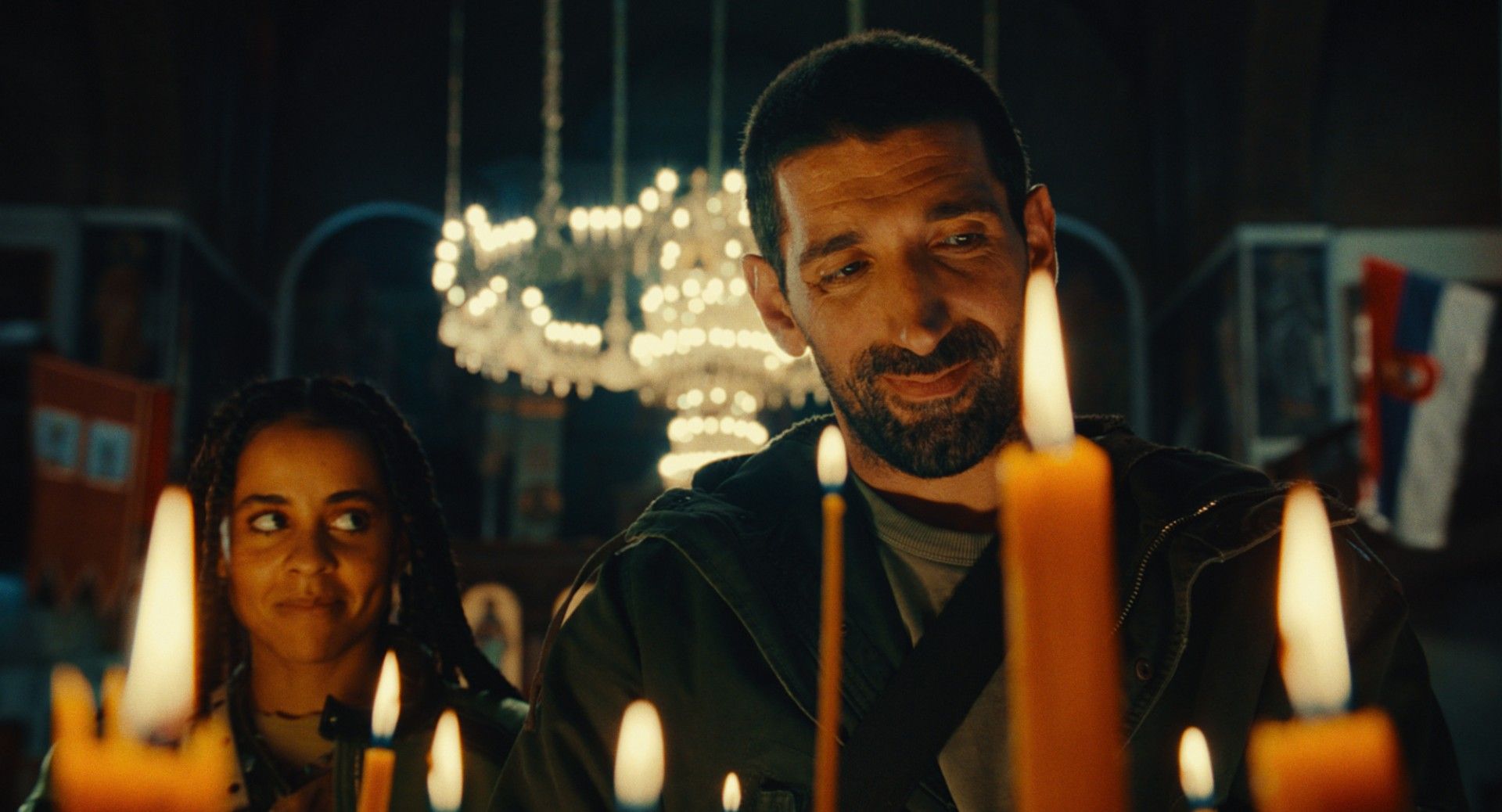
A powerful story of resilience, music and trauma, Surviving Earth is based on a true story, and follows Vlad (Slavko Sobin), a Yugoslav refugee and gifted musician who fled to the UK in the 90s. Now rebuilding his life in 2015 Bristol, he longs to be the father his daughter Maria (Olive Gray) deserves, but the shadows of his past refuse to fade.
The BFI and Film 4-backed film has been gaining attention on the festival circuit; a World Premiere at SXSW 2025, screening in the Great 8 showcase of new UK features at Cannes Film Festival, officially selected for San Francisco International Film Festival and winning the Audience Award at the 2025 Mannheim-Heidelberg International Film Festival. It had its UK premiere at Edinburgh International Film Festival 2025 and also screened at Bristol’s Encounters Festival last September.
First-time writer-director Thea Gajic (a 2024 Screen International Star of Tomorrow), mined her own family history for this story that tackles issues of trauma, addiction, responsibility, friendship and love. Years after fleeing military conscription during the Yugoslav conflict, Vlad is building a community in Bristol, working as a drugs counsellor and pursuing success with his riotous Balkan band. But integration isn’t as easy as he hoped, and the trauma of his past life is difficult to repress. Can he overcome his demons and create a new life for those he loves the most?
“The processing of grief and exploring grief and what it meant for me is a big thing that I have explored in my previous short film work,” Gajic says. “When I told people about my dad, they were really interested and that planted the seed in my head. One of the most challenging things was deciding whose point of view to tell the story from; it’s written from my point of view, but I had to figure out whose is the most interesting perspective to tell it from because if it was the daughter’s, it would’ve missed a lot of Vlad’s story.
The producers are Aleksandra Bilic and Sophie Reynolds. Bilic describes how she became involved as an “organic and beautiful process. I’m originally from Bosnia and there are not many of us from that area in the film industry,” she says. “I saw Thea on Instagram and was interested in her because of her background and I saw her short films. Then I met her in 2018 and she mentioned the story of her father. I was moved by the story, and when she said she wanted to make a film, I knew it was a story that needed to be told-not just to tell the story about the Balkan conflict but also about bigger themes of displacement, addiction and belonging in this modern world.”
Bilic got early development funding from BFI Network, applied successfully to the iFeatures programme for first time directors and producers. The team then asked Sophie Reynolds to join as a producer and continue the development process with the support of the BFI, and eventually with Film4 attaching to the project.
With funding in place, Gajic and her producers spent more than a year on the quest for the actor to play Vlad. Eventually the role went to Croatian actor Slavko Sobin.”We were very keen on it being an actor from the former Yugoslavia,” says Gajic. “So we went to Belgrade and we loved Slavko’s audition tape but he couldn’t make it to the in-person auditions so we did a load of video call auditions. We were so moved and charmed by him and that was such an important aspect of Vlad because the reason why Vlad gets away with everything he does and is so loved by everyone is because of his charm and his ability to convince you to do crazy things. Slavko had that quality.”
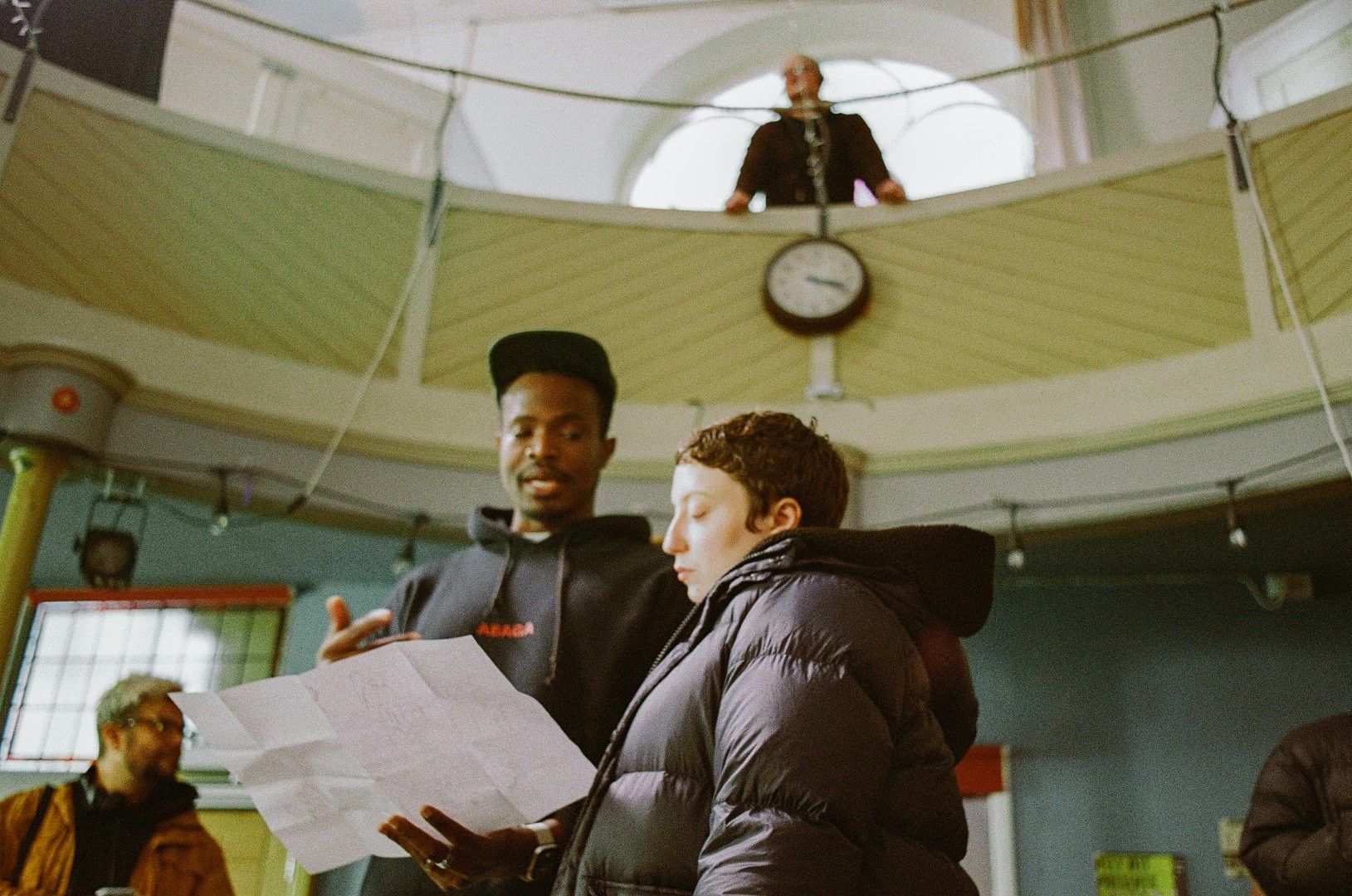
With the film’s lead character based on writer/director Thea Gajic’s father, Bristol Film Office supported Location Manager Andy Moore to gain access to as many of the real streets and buildings in the script as possible when it shot in Autmn 2023, including Clifton Village, the Corn Exchange, Clifton Downs, and four music venues in the city, including The Jam Jar and Thekla.
Describing the filmmaking experience, Gajic says: “The decision to film in Bristol was never in contention. Our story is set there, my dad lived there and it’s the city that holds the spirit of our film within its streets, culture and landmarks. We scouted lots of different locations, particularly Bristol’s extensive music venue scene. For our live music scenes we landed on Zion Community Cafe, The Jam Jar and Thekla – the latter two of which my dad and his band actually played on stage at. After wrapping in The Jam Jar, one of the venue staff was kind enough to gift me a poster from their gig.
“I really enjoyed transforming the old, unused offices at The Corn Exchange into our work-place set. Having access to film inside such an iconic location, full of true history and character was a real treat for us all. Bristol was ultimately another character in this film, its vibrancy informed our camaraderie, and its community adorned the film in ways another city couldn’t. I feel proud to have added to the memory bank of my father by choosing to shoot this film in Bristol and having met so many brilliant people along the way.”
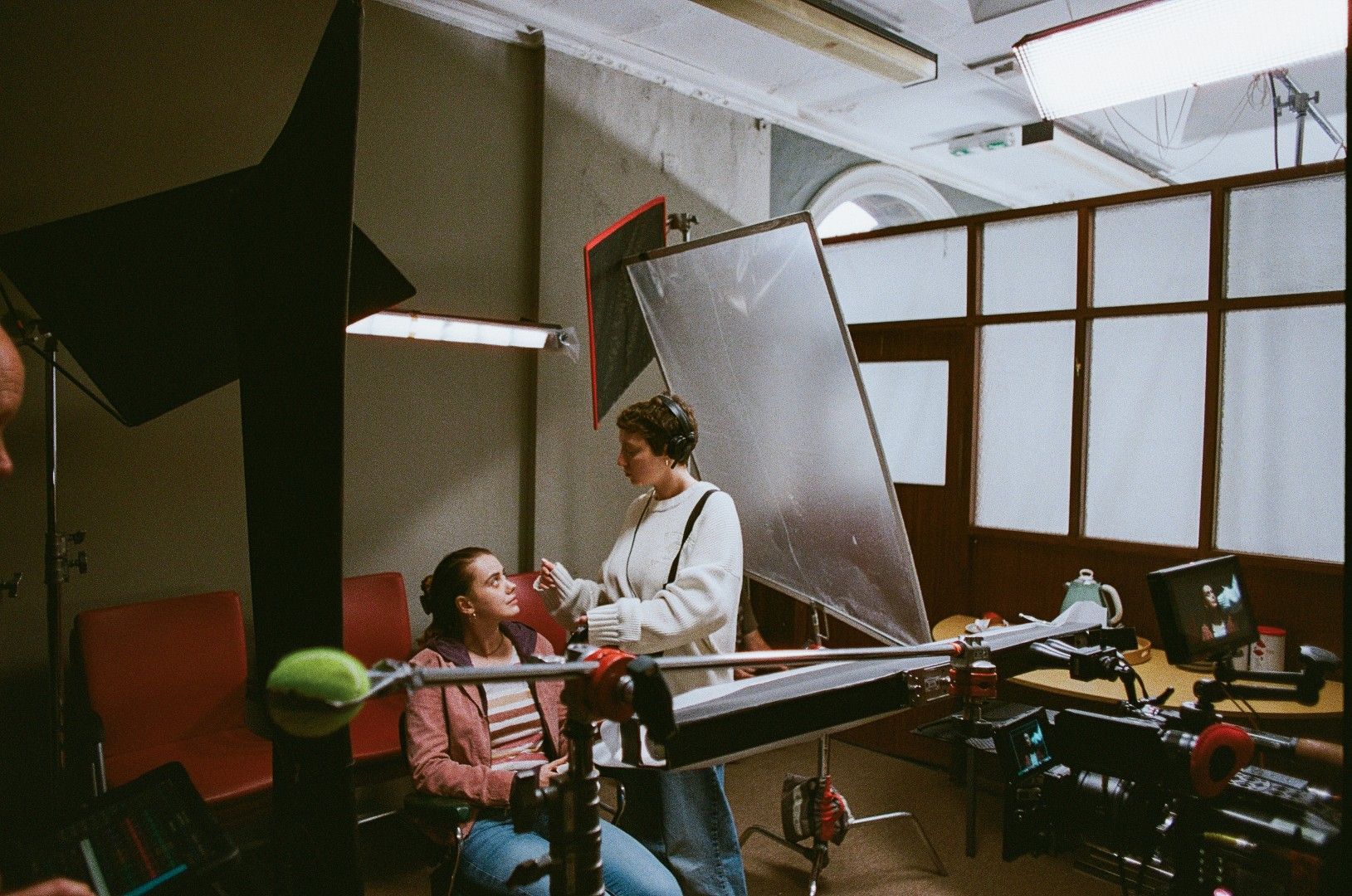
Thanks to their shared taste in films, Gajic and Cinematographer Olan Collardy were both on the same page when it came to discussing how to create the look of the film. “We have very similar ideas about how we like to present the world in a visual format,” says Collardy. “It was quite important for us to show the film in a very world cinema form, it needs to feel like a universal film even though it’s set in Bristol. We wanted it to feel handmade, imperfect, textured, not clinical, and we wanted it to have very rich and saturated contrast. We looked at the work of Harry Gruyaert whose colour photography was very contrasty and very rich in saturation and who photographed the world almost as though there was a seamless join between the people who was photographing and the world behind them.
One of Gajic’s key collaborators was composer and musical director, Hugo Brijs, who brought the sound of Vlad’s band, Fuzia, to life. “The audience will watch the songs being written, rehearsed and then performed on stage so will go on the journey with the band as they create those songs,” says Gajic. “The music is a character in itself. It’s what keeps the film above water and what reminds us of the joy of the story and how much music uplifts people and provides an outlet for pain.”Brijs’s soundtrack is inspired by original songs that Gajic’s father and his band wrote; some of the original members of the band even worked on the soundtrack.
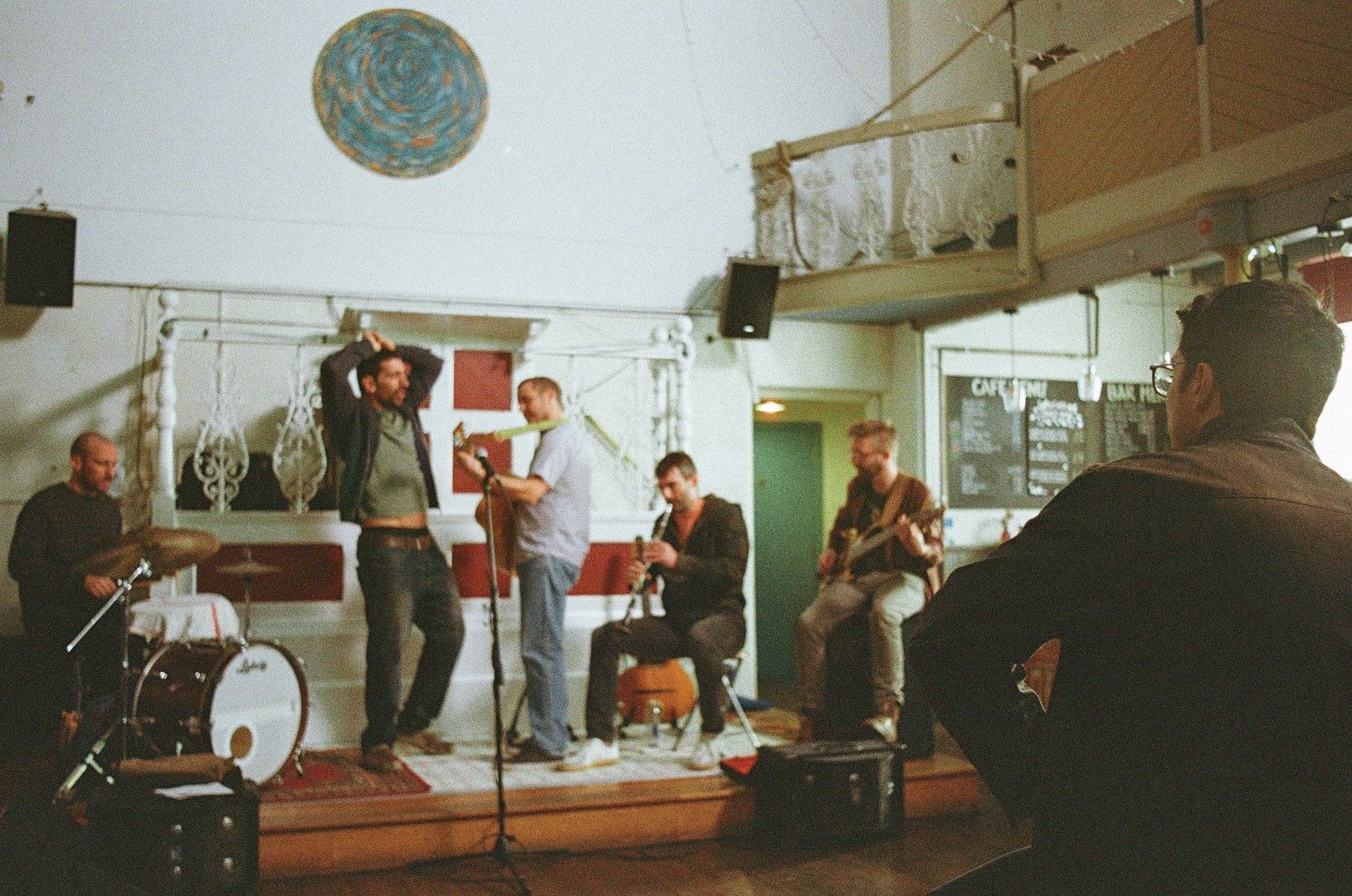
“Thea is so close to the music and that has helped in the way she weaved the music into the script so organically and subtly,” says Brijs. “Vlad played a lot of music in the Bristol area. It’s a mix of Balkan folk music with ska and afrobeat and it’s very up-tempo. We went through his songs and decided on those songs that would fit with the story. But we needed some more melancholy songs. So Thea and I wrote two completely new songs. I listened to a lot of Balkan Serbian music particularly sevdah, a slow Bosnian rhythm and blues which has a melodrama to it. That genre informed the new songs.” Those new songs, says Gajic, provide bookmarks to the emotional ups and downs that Vlad goes through during the film.
Bilic hopes that the film will speak to audiences from the former Yugoslavia. “I want the film to honour a Balkan audience,” she says. “It’s a UK film but it’s also a Balkan film. That’s why it’s such a nice thing that such well known Balkan actors as Slavko Sobin and Anica Dobra, who plays his mother, are in the film. And we’re celebrating the culture through the music and showing that it’s for everyone to share. I also hope that the film will make people think a little more about the assumptions and judgements they make about people without knowing them.”
Natalie Moore, Bristol UNESCO City of Film Manager adds: “Although set in Bristol, Surviving Earth’s universal themes are relevant to audiences the world over, and as important today as any other period of history. Human resilience, healing through creativity and community, the shadow of trauma cast by war that impacts so many refugees forced to flee their countries for cities like ours, are all touched upon in this powerful film. We hope audiences in Bristol and beyond will go to the cinema to watch this poignant story, made in our city.”
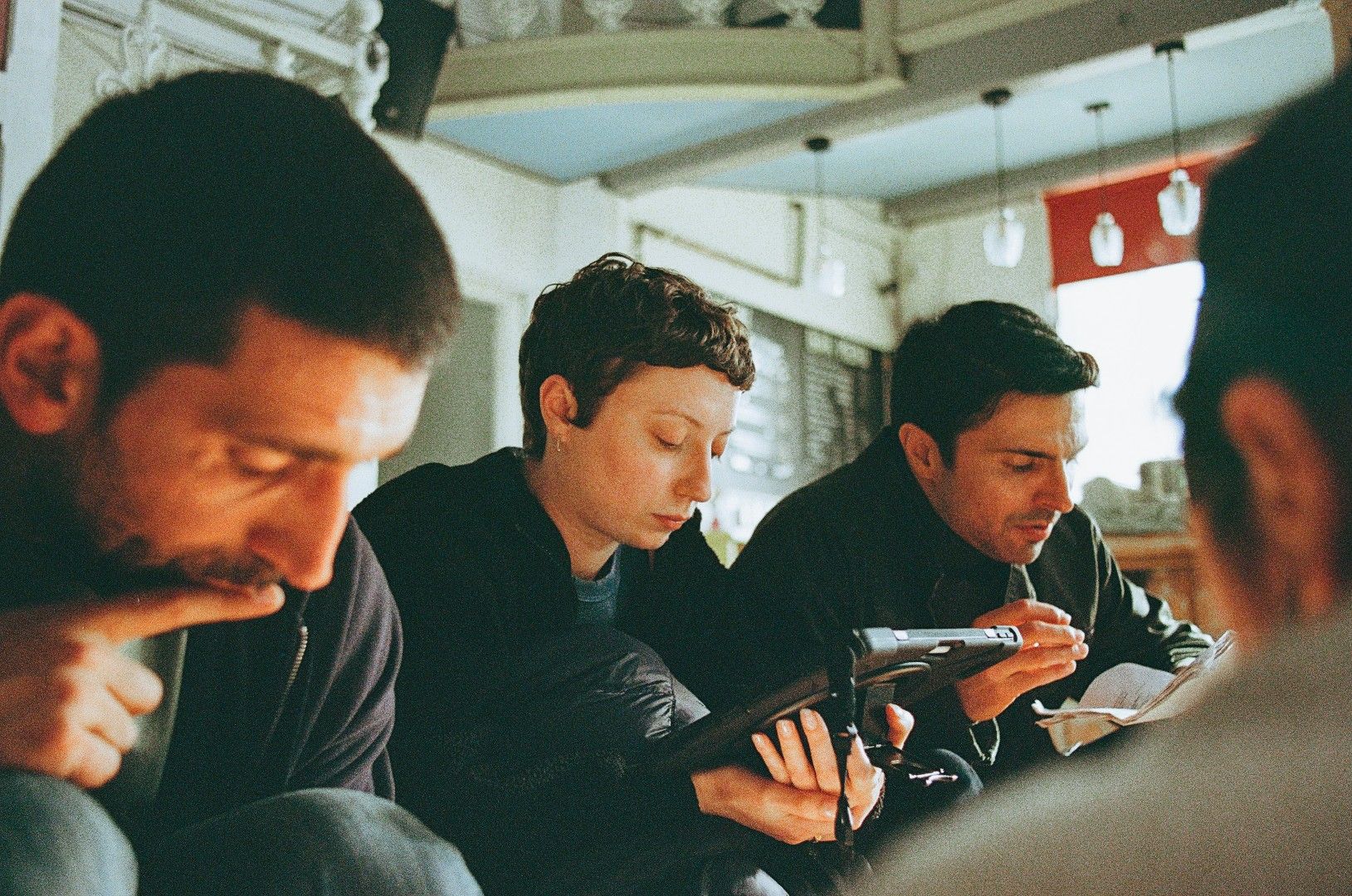
Surviving Earth is written and directed by Thea Gajic and produced by Aleksandra Bilic (My Accomplice) and Sophie Reynolds (Sona Films) with Jamie Clark (My Accomplice) executive producing, alongside Farhana Bhula and Louise Ortega. It is made with backing from BFI and Film4 and distributed by Metis Films.
Surviving Earth opens in UK cinemas on 24th April 2026.
All images courtesy Metis Films/Jelani Pomell